- E-mail: info@sunday-campers.com
- Tel.: +86 15801504548
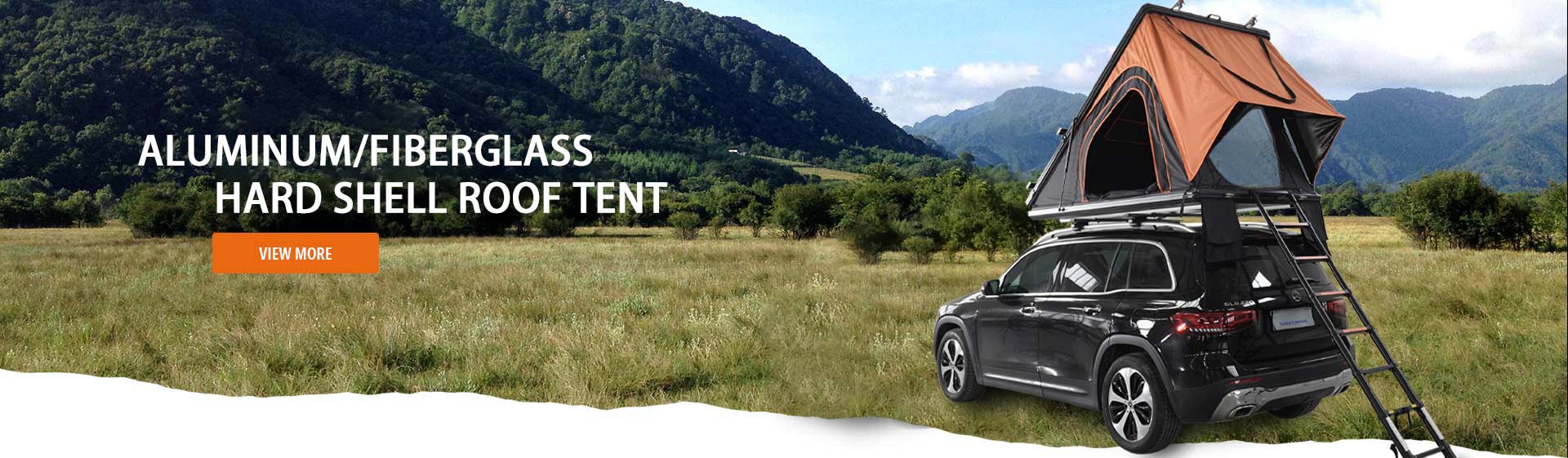
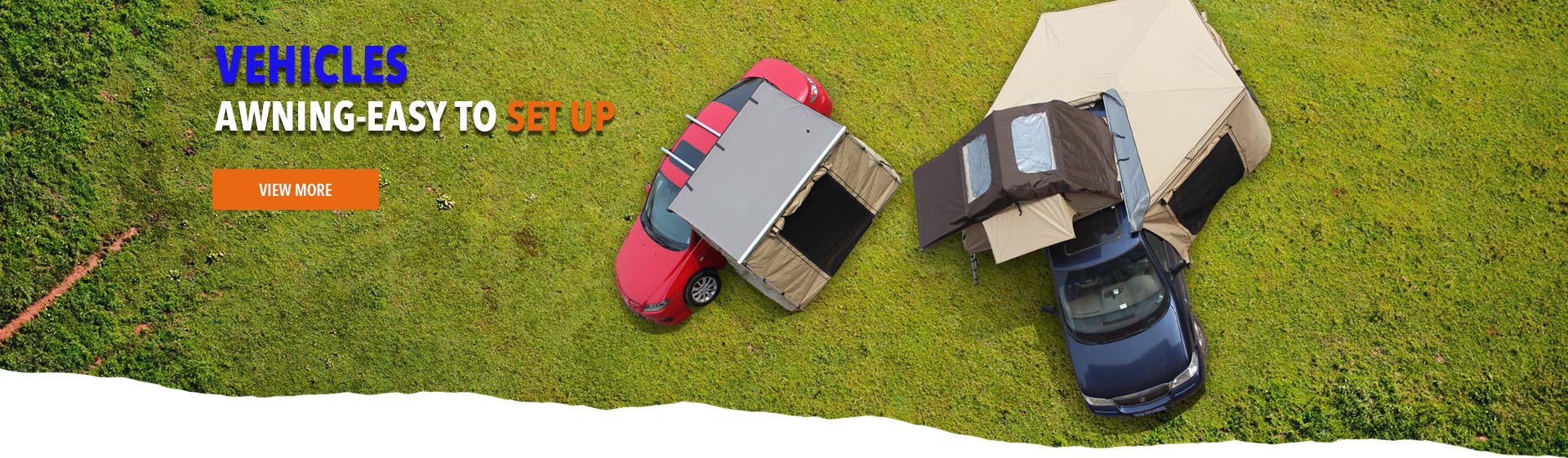
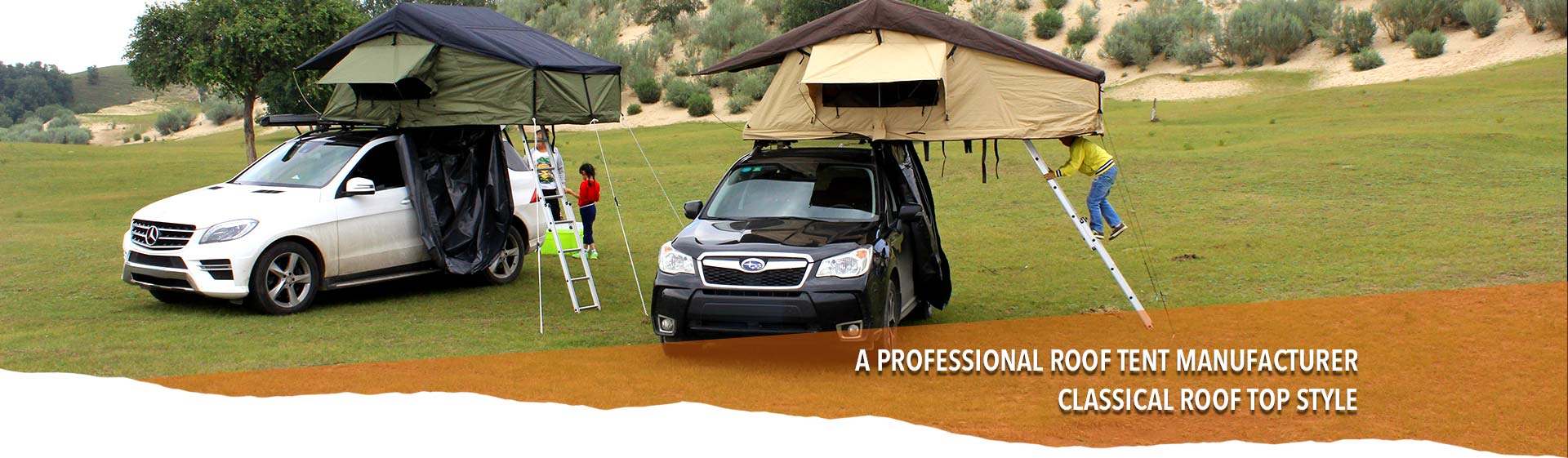
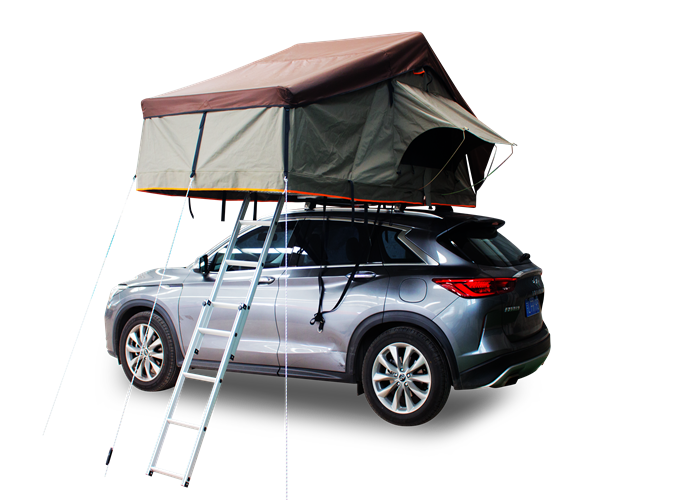
For rooftop tent distributors and outdoor equipment brands, building a competitive product range involves more than selecting several popular tent models. Different vehicle owners have different requirements for tent weight, sleeping space, packed dimensions, opening mechanisms, and installation compatibility.
A product range designed around clear customer segments can help distributors serve more buyers without carrying too many overlapping models. For OEM and private-label businesses, this approach also provides a practical framework for developing new products and allocating purchasing budgets.
A rooftop tent that works well for a large off-road vehicle may not be the most suitable choice for a compact SUV. Likewise, a family-oriented model may offer more sleeping space than a solo traveler needs.
Vehicle segmentation helps buyers identify the product characteristics that matter most to each customer group.
Common target segments include:
Compact SUVs and crossovers.
Mid-size and full-size SUVs.
Pickup trucks and off-road vehicles.
Touring vehicles used for extended trips.
Vehicles used for family camping.
Commercial or fleet vehicles used for outdoor activities.
These categories are starting points rather than strict compatibility rules. The actual suitability of a rooftop tent depends on the vehicle's roof-load rating, roof rack, mounting system, available space, and manufacturer requirements.
Target Vehicle Segment | Key Purchasing Considerations | Potential Product Direction |
|---|---|---|
Compact SUVs and crossovers | Tent weight, closed dimensions and available roof space | Compact or lightweight rooftop tents |
Mid-size and full-size SUVs | Sleeping capacity, installation compatibility and setup convenience | Two-person or multi-person rooftop tents |
Pickup trucks | Bed-rack configuration, mounting height and available platform space | Models compatible with the intended pickup rack system |
Off-road vehicles | Mounting security, construction, packed dimensions and operating conditions | Models suited to the vehicle's approved rack and load specifications |
Family touring vehicles | Sleeping area, ventilation, access and storage | Larger sleeping configurations or compatible annex options |
Commercial and fleet vehicles | Standardized specifications, serviceability and repeat-order consistency | Consistent models with documented mounting and replacement-part requirements |
Distributors should verify vehicle compatibility rather than relying on broad labels such as SUV-compatible or universal-fit.
Hard shell and soft shell rooftop tents serve different purchasing priorities. Carrying both types may help a distributor address a broader market, provided the models have clearly differentiated applications.
Hard shell models are worth considering for customers who prioritize convenient deployment, a compact packed profile, and a structured outer shell.
When evaluating models, compare:
Opening mechanism and setup procedure.
Closed height and overall dimensions.
Tent weight and mounting requirements.
Sleeping area and interior layout.
Shell construction and hardware.
Available accessories and replacement components.
Hard shell designs vary significantly, so buyers should compare actual specifications rather than assuming all models offer the same benefits.
Soft shell models can provide flexible sleeping configurations and may offer larger sleeping areas relative to some compact hard shell designs.
Important comparison factors include:
Sleeping platform dimensions.
Folded dimensions and travel cover.
Fabric specifications and weather protection.
Pole structure and opening procedure.
Ladder configuration.
Compatibility with annexes and other accessories.
For distributors, the goal is to avoid stocking several models that differ only slightly while leaving important customer requirements unaddressed.
Too many similar models can make product selection confusing and tie up inventory capital. A more effective product range assigns a clear role to each model.
Product Tier | Intended Role | Key Differentiation |
|---|---|---|
Entry-level | Serve price-conscious buyers | Essential features and straightforward specifications |
Mid-range | Address general touring and recreational camping | Balanced sleeping space, construction and accessories |
Premium | Serve customers seeking additional convenience or specialized features | More advanced opening mechanisms, materials or configurations |
Family-oriented | Accommodate larger sleeping requirements | Larger sleeping area and compatible accessories |
Compact | Fit selected vehicles with limited available roof space | Reduced packed dimensions or weight, subject to specifications |
These tiers should reflect actual product differences rather than arbitrary price labels. A compact model, for example, may also be a premium product if it uses specialized materials or mechanisms.
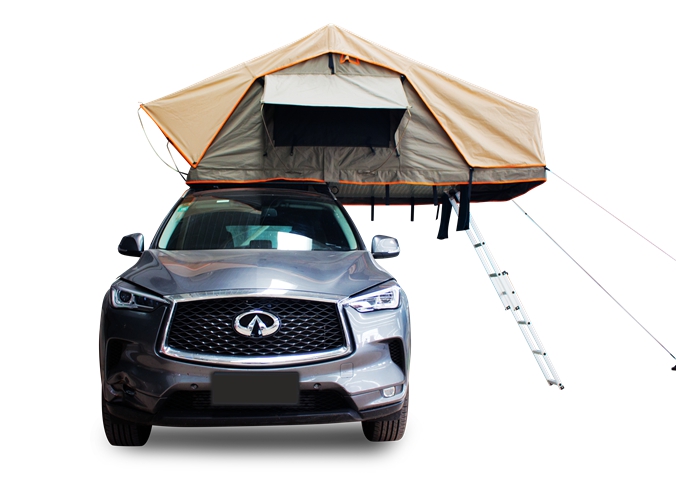
Check the intended vehicle types, roof-load limits, roof rack requirements, mounting dimensions, and available installation space. Dynamic roof load during driving and static load when parked are different considerations and should not be treated interchangeably.
Compare the usable sleeping area, not just the advertised number of occupants. Consider mattress dimensions, interior clearance, access, and the expected sleeping arrangement.
Closed dimensions affect storage, transport, installation, and vehicle compatibility. Product weight should be evaluated alongside the vehicle and roof rack's permitted load.
Evaluate shell materials, fabrics, base structure, hinges, poles, zippers, and other components according to the intended market and operating conditions.
Consider whether the model can be used with suitable awnings, annexes, mounting brackets, and other accessories. Compatibility should be confirmed for each model rather than assumed.
Check whether model-specific components can be replaced and whether the supplier can identify parts by model or production version. This becomes particularly important when carrying multiple products under one brand.
For private-label brands, product range planning should take place before individual models are finalized.
Start by identifying your target customer groups and expected sales mix. Then determine which existing models can serve those groups and which requirements justify new product development.
During OEM discussions, consider:
Sleeping capacity and dimensions.
Hard shell or soft shell construction.
Tent fabric, shell materials and color options.
Opening mechanisms and accessory compatibility.
Logo placement and packaging.
Model differentiation and product naming.
Spare parts standardization.
Sample approval and production planning.
Not every specification needs to be unique. Standardizing compatible components across several models, where technically feasible, may simplify purchasing, inventory management, and after-sales support.
There is no universal ideal number. Start with the vehicle segments and customer requirements you can serve effectively, then add models when they address a meaningful gap in sleeping capacity, dimensions, construction, or price positioning.
It can be beneficial when your target customers have different priorities. Hard shell models may appeal to buyers who value convenient deployment, while soft shell models can provide alternative sleeping layouts and configurations. The decision should be based on market demand and product differentiation.
Compare tent weight, closed dimensions, mounting requirements, roof-load limits, and available roof rack space. Verify the vehicle manufacturer's specifications and the rack system's approved capacity before installation.
Define the target customer, intended vehicle segment, main product benefit, and price positioning for each model. Compare existing specifications before approving a new design to ensure it serves a distinct market need.
Provide your target markets, customer segments, expected order quantities, preferred tent types, required sleeping capacities, vehicle compatibility requirements, branding preferences, and target price positioning.
A well-planned rooftop tent range balances vehicle compatibility, sleeping capacity, construction, product differentiation, and inventory requirements. For distributors and outdoor brands, a clear role for every model makes purchasing decisions easier and supports more efficient product development.
Sunday Campers offers rooftop tent products and OEM/ODM cooperation for international buyers. Discuss your target customer segments, preferred product configurations, and expected order volumes to evaluate suitable models for your market.
None


Copyright © sunday-campers.com All Rights Reserved | Powered by