- E-mail: info@sunday-campers.com
- Tel.: +86 15801504548



Tent fabrics - which is best?
If you're thinking about buying a home tent, you'll come across a confusing mix of different tent fabrics, from polyester to polyester-cotton, and a range of different brands. It's hard to know which is the best. we try to figure things out
Cotton and Canvas Tent Fabrics
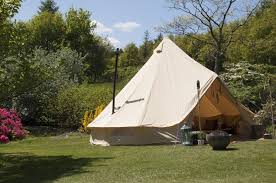
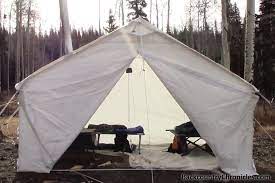
Canvas is a traditional tent fabric that has many great tent properties.
In the old days, canvas was made of hemp, but now tents are made of cotton. So tents advertised as "canvas" or "cotton" are actually made of the same material.
Why canvas or cotton are the best materials for tents?
Compared to artificial tent fabrics, cotton is very thermally insulating. You won't get as hot on a warm day, and you won't get as cold on a cold day. There are many different tent fabrics, some are much more expensive than others. But are they worth it?
Each tent fabric has its pros and cons.
Which tent material is best depends on your needs. For example, do you need a tent that is easy to transport, or are you looking for a tent as your vacation home for a week or more?
Cotton is a breathable fabric that absorbs water. This means you are less likely to experience condensation problems.
Due to its weight and insulating properties, canvas/cotton tents can be quieter and less noisy if there is a breeze.
This fabric lasts a long time and is more resistant to harmful UV rays.
The Problem of Canvas and Cotton as Tent Materials
Cotton and canvas are very heavy and bulky. This means that transporting the marquee to the campground can be problematic—probably enough to keep you from fitting it in the trunk of your car. It also makes pitching more effective.
You usually need to "weather" the canvas before using it. This includes leaving a new tent in the rain (or under a garden hose) for the canvas to expand and fill in the stitching and holes in the fabric. If you don't, your new canvas tent may leak.
Cotton and canvas require more maintenance. Since it absorbs water, you'll need to let the material dry before putting away the tent, which takes much longer than man-made materials. Don't do this and your tent will get moldy.
It may snag more easily and cause a tear, which can turn into a large tear.

Cost - Cotton or canvas is much more expensive than man-made fabrics.
Coating and treatment of cotton tents
Cotton tents should not be coated with a waterproof membrane like polyester tents because cotton needs to remain breathable and is already UV and water resistant.
However, some manufacturers have lightly treated cotton for water repellency. The cotton still retains its breathability, but the treatment means that if there's a light shower or morning dew, water will run out of the tent. Innovations like this make cotton more suitable for family camping because it helps reduce drying time. (Especially important for campgrounds that insist you leave the course by 10am!).
How about the polyester cotton tent?
Polycotton is a blend of synthetic polyester and cotton. Essentially, polyester-cotton fabric is a cotton fabric with some polyester woven into it.
All the good qualities of cotton (or canvas) can be found in polyester cotton tents. They also have some drawbacks (such as cost, weight, and maintenance), but the polyester in the weave makes them slightly more mold-resistant than cotton or canvas, and the polyester also helps reduce the risk of large tears.
So which tent fabric is the best?
As you can see, each fabric has a lot of good properties, but also some not-so-good ones.
To me, the feel and insulating properties of canvas (or polyester cotton) make for a great family tent, especially if you're camping on vacation.
If you ever get the chance to visit a camping show, tent display, or even chat with campers at the campsite with a canvas or polyester cotton tent, I highly recommend comparing it to a polyester tent.
Wait until the sun comes out for a few minutes. Step into a canvas or polyester-cotton tent and feel pleasantly cool (not cold). Then walk into a polyester tent and you'll immediately feel and breathe the baking air.
If it's cold and a little breezy, do the same test again. Canvas or polyester-cotton tents will feel warmer and quieter than polyester tents. It feels like a cozy sanctuary.
So for family vacation tents, if you can afford, transport and pitch, I recommend choosing canvas, cotton or polyester cotton.
However, for quick weekend camping (definitely backpacking!), faux fabrics are the way to go. While some air-frame tents can make pitching cotton or polyester-cotton tents easier and more practical, let them work on weekend camps as well.
Polyester fabrics also work well for vacation tents. Just remember to open the vents, and if your tent's doors and windows allow air to pass through, use it when it gets hot.
If you're camping outside the summer months, the insulating properties of canvas/cotton/polycotton are definitely worth it.
Related Information
Can you put a roof top tent on a Subaru crosstrek?arb awning 814101drifta roof top tentHow to Choose the Best 4WD Shade Awningwhere to buy yakima roof top tentwhat is the advantage of a roof top tentroof top tent kingsWhich roof top tent is best?kings roof top tentroof top tent on ute trayarb awning aluminum caseCan you put a roof top tent on a Jeep Wrangler?how to put on a roof top tentbcf roof top tentarb awning 2000metal car awninghow to clean tent canvashard shell roof top tent for saleretractable awningking roof top tentWhat is the largest roof top tent?What kind of roof rack do you need for a roof top tent?how to attach a roof top tentHow much does a roof top tent cost?awning roof ideashow to put roof top tent onwhy buy a roof top tenthow to make cheap roof top tentCan you put a roof top tent on a RAV4?where can i see a roof top tenthow to mount roof top tenttjm roof top tenthow to side load roof top tentarb awning 2500hard shell roof top tentroof top tent utearb 2000 awningarb awning 814410Are overland with roof top tent?arb awning for salearb awning installationhow to build a deck for canvas tentwhat do i need to mount roof-top-tenthard top roof top tent australiaWhat kind of roof rack do I need for a roof top tent?


Copyright © sunday-campers.com All Rights Reserved | Powered by